
 27:59
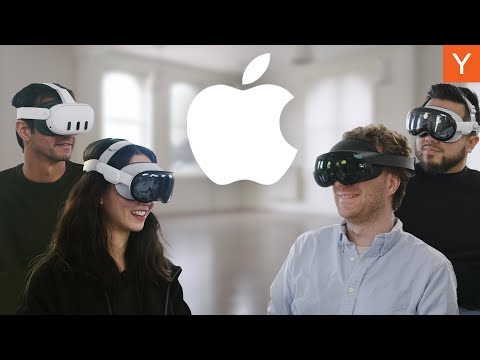
27:59Apple Vision Pro: Startup Platform Of The Future?
From Y Combinator · Published Jul 20, 2024 · Watch on YouTube
TL;DR
The Apple Vision Pro uses a passthrough video approach rather than optical AR, reducing many hardware challenges but requiring massive sensor processing (over 10 cameras, LiDAR, eye tracking) via a custom R1 chip.
Key insights
- Apple Vision Pro’s passthrough video feed (rendering the real world entirely as pixels) is technically easier than optical approaches (e.g., HoloLens, Magic Leap) that require solving new physics for
- Eye tracking is foundational: it enables foveated rendering (higher resolution where the user looks to save battery/heat) and is the primary UX input, analogous to capacitive touch on the iPhone.
- The R1 coprocessor handles real-time sensor data (cameras, LiDAR, IR) using what is likely a real-time operating system, mirroring self-driving car technology (SLAM – simultaneous localization and map
Want the full analysis - every claim cited to the second it was said?
This page only shows a teaser. Sign up to chat with the complete, cited breakdown of "Apple Vision Pro: Startup Platform Of The Future?".